
Gear and clothing suggestions
Camera Requirements – Street Photography
All camera brands are welcome. Digital is of course preferable, but if you'd like to bring a film camera as a secondary option, that's totally fine.
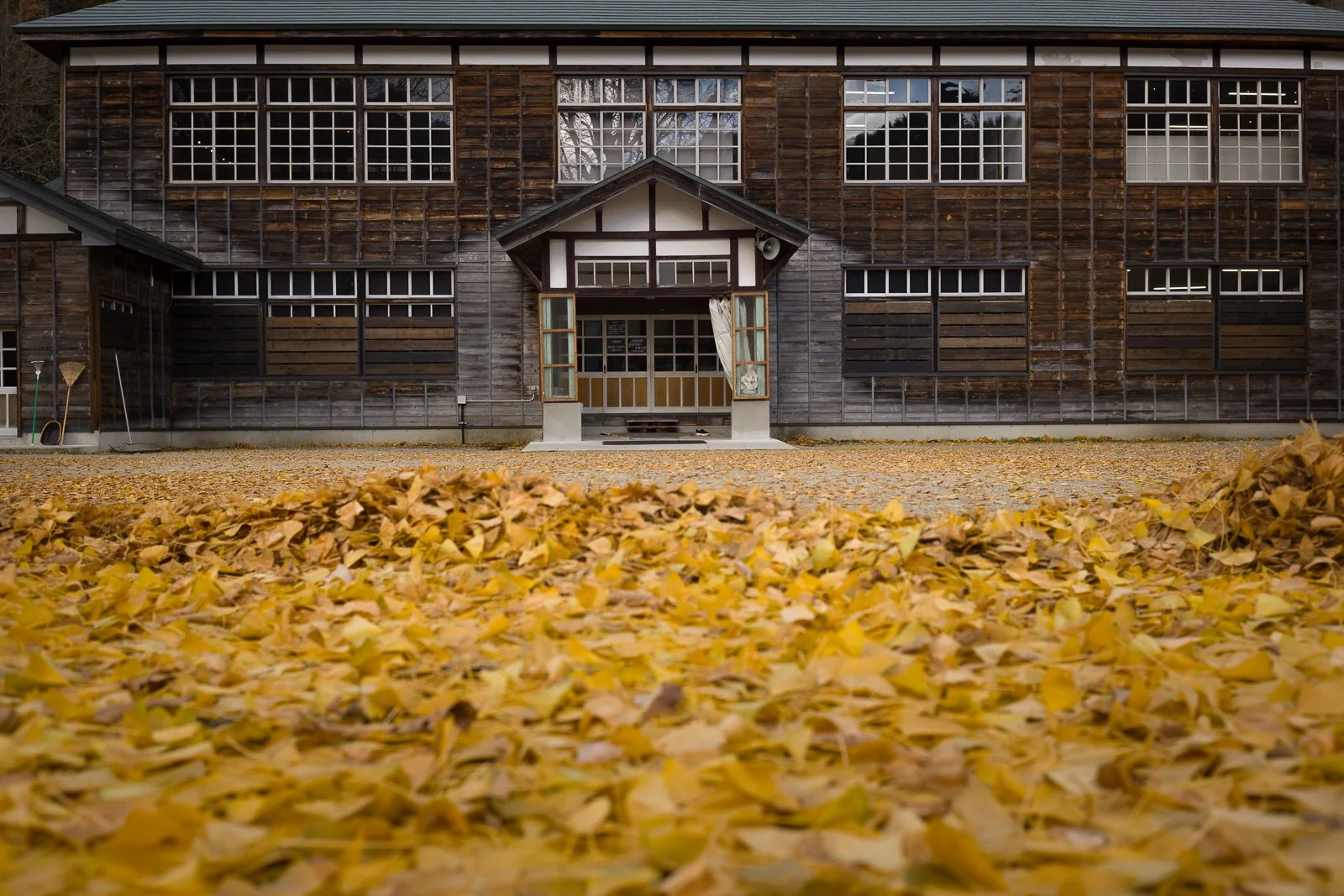
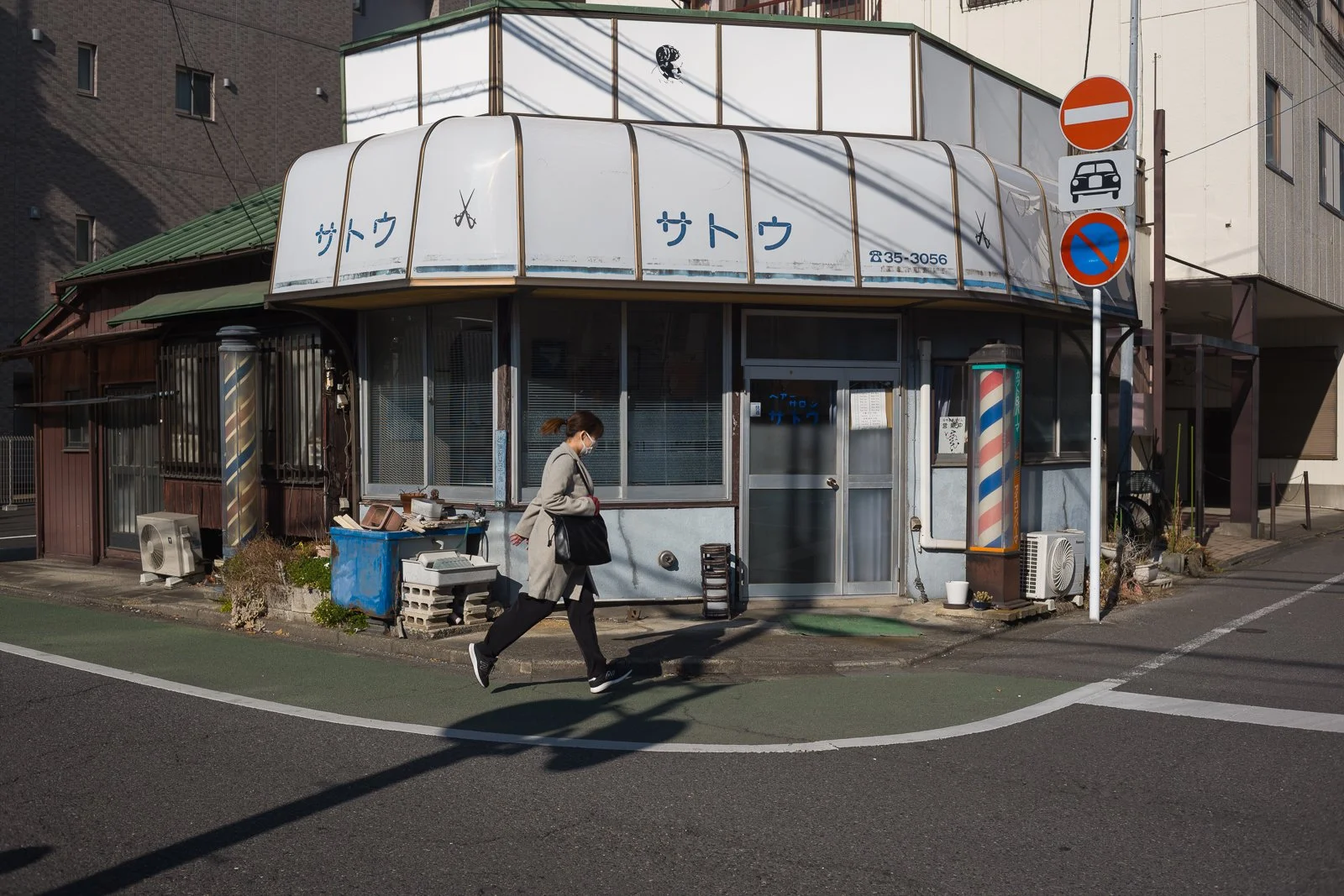
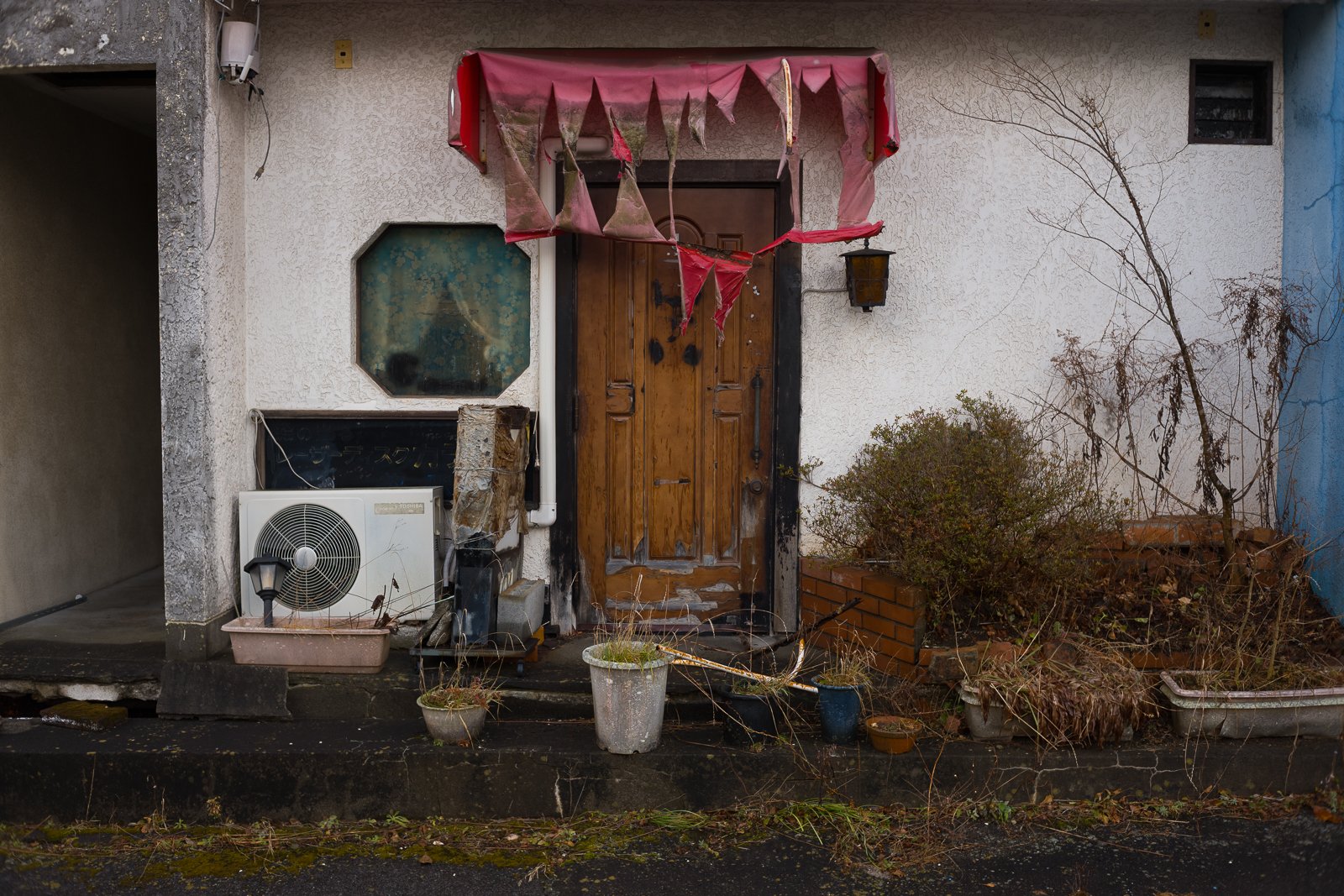
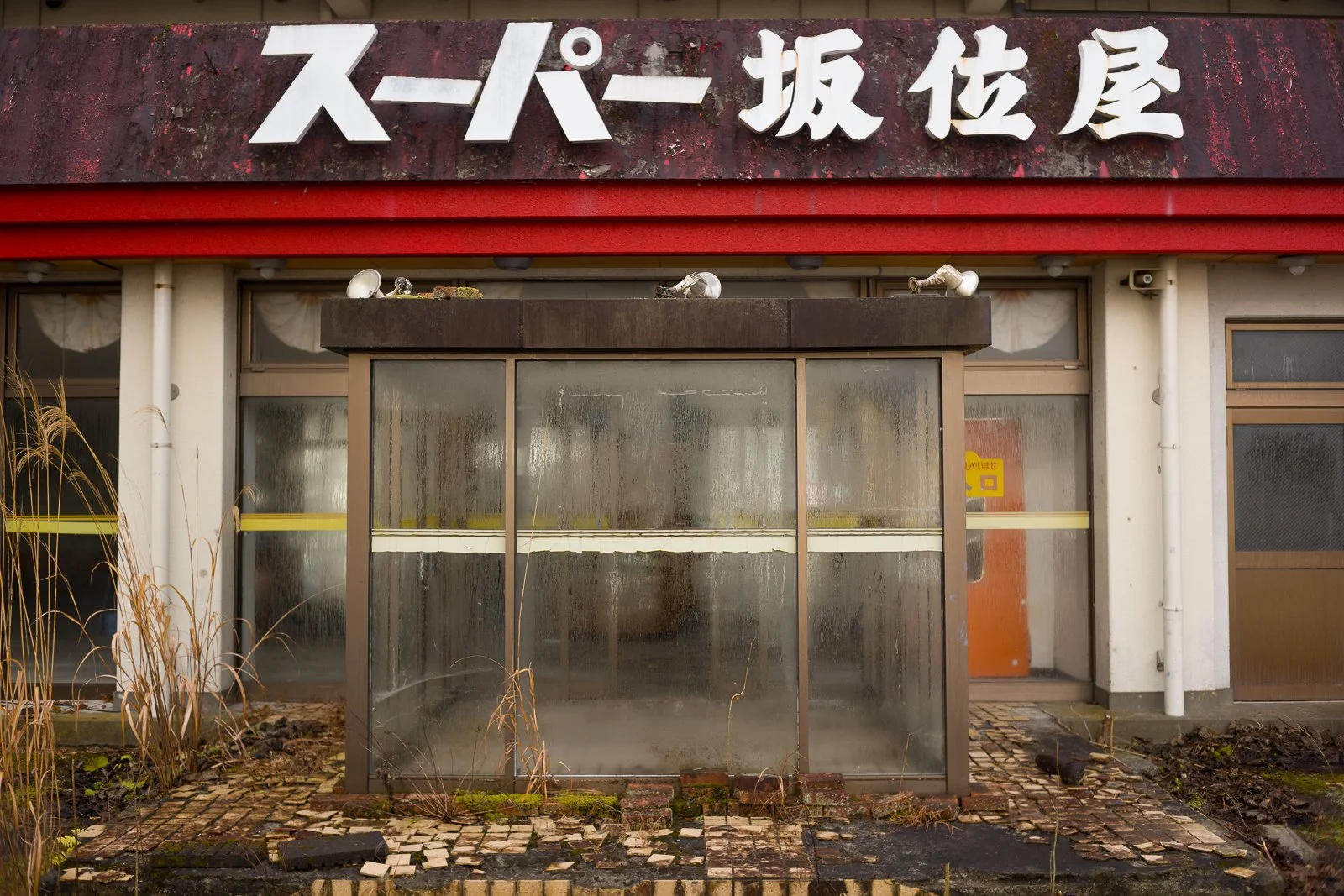
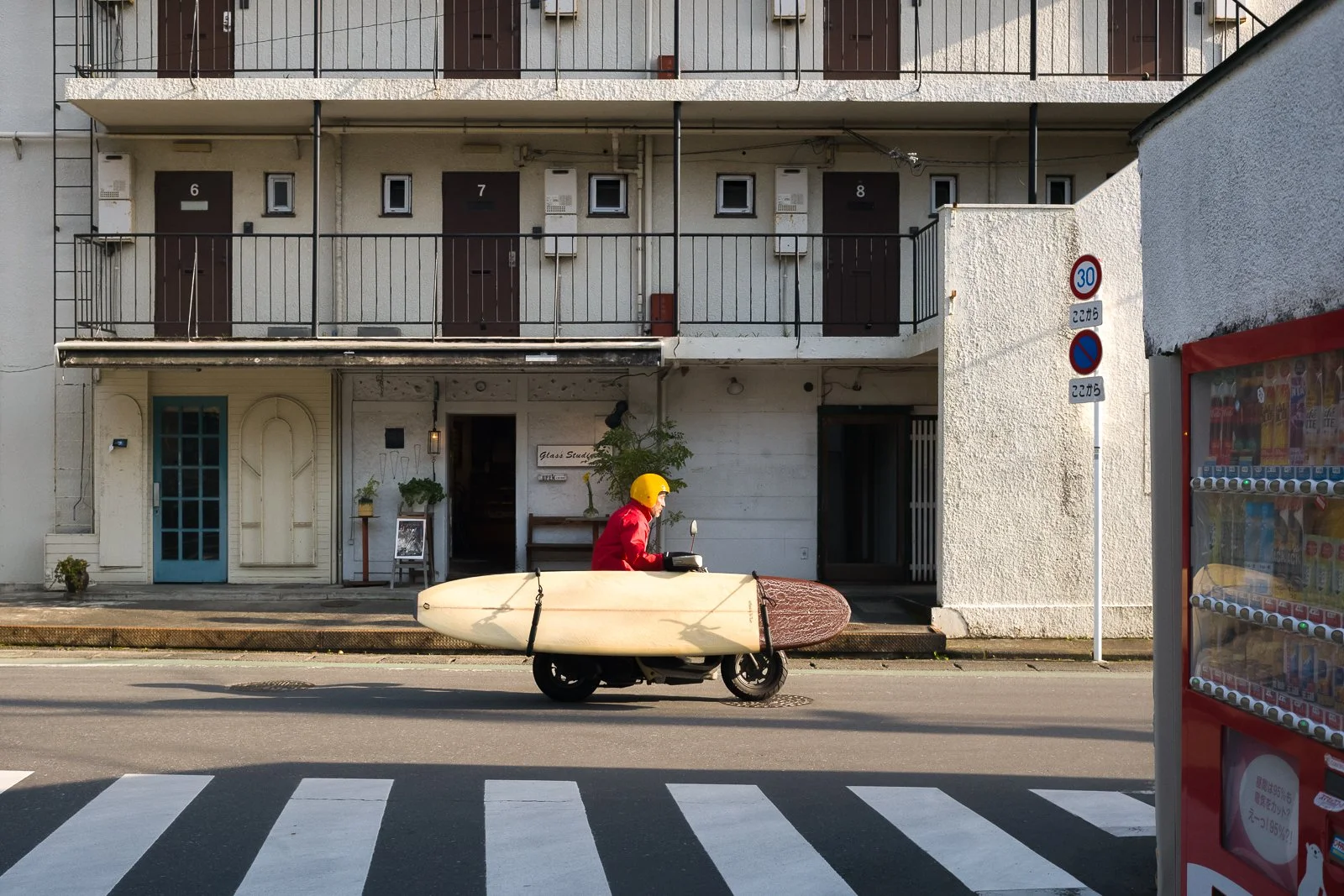
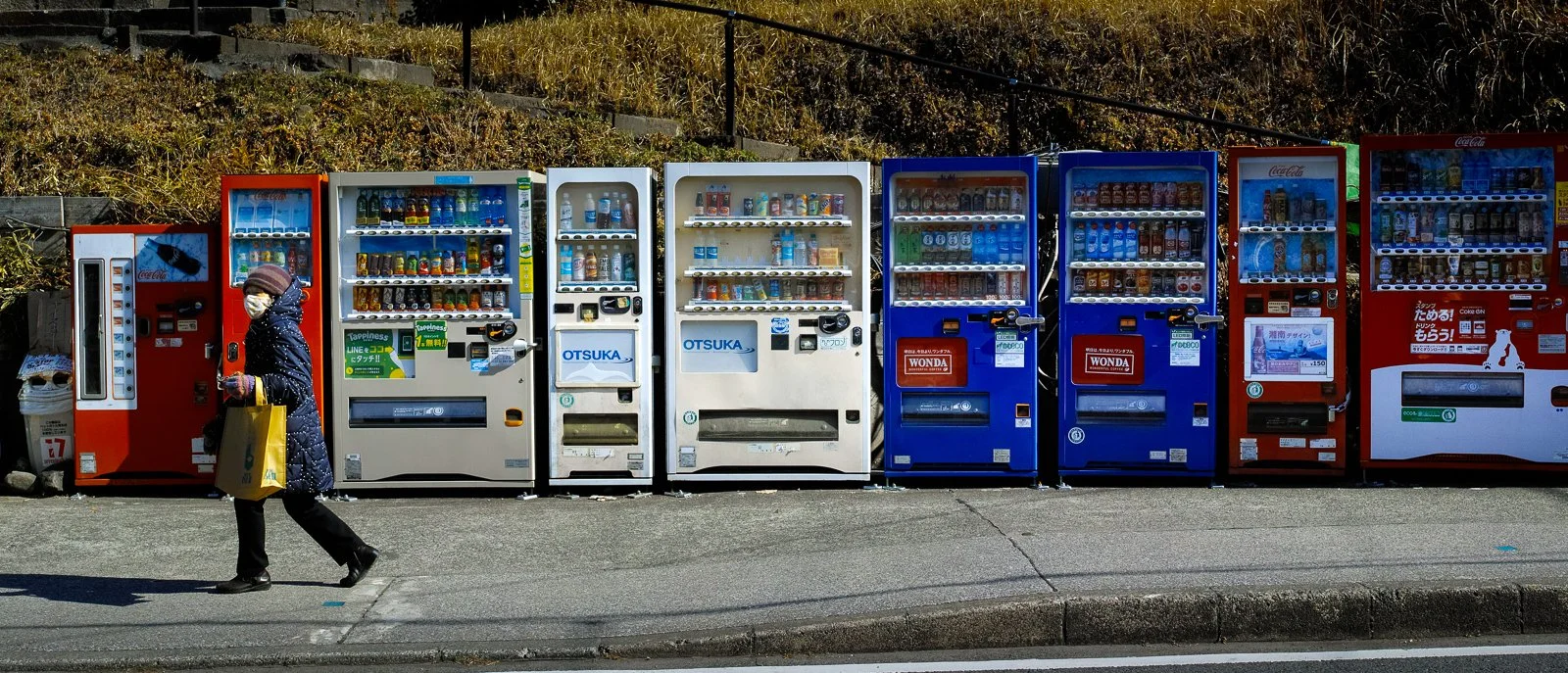
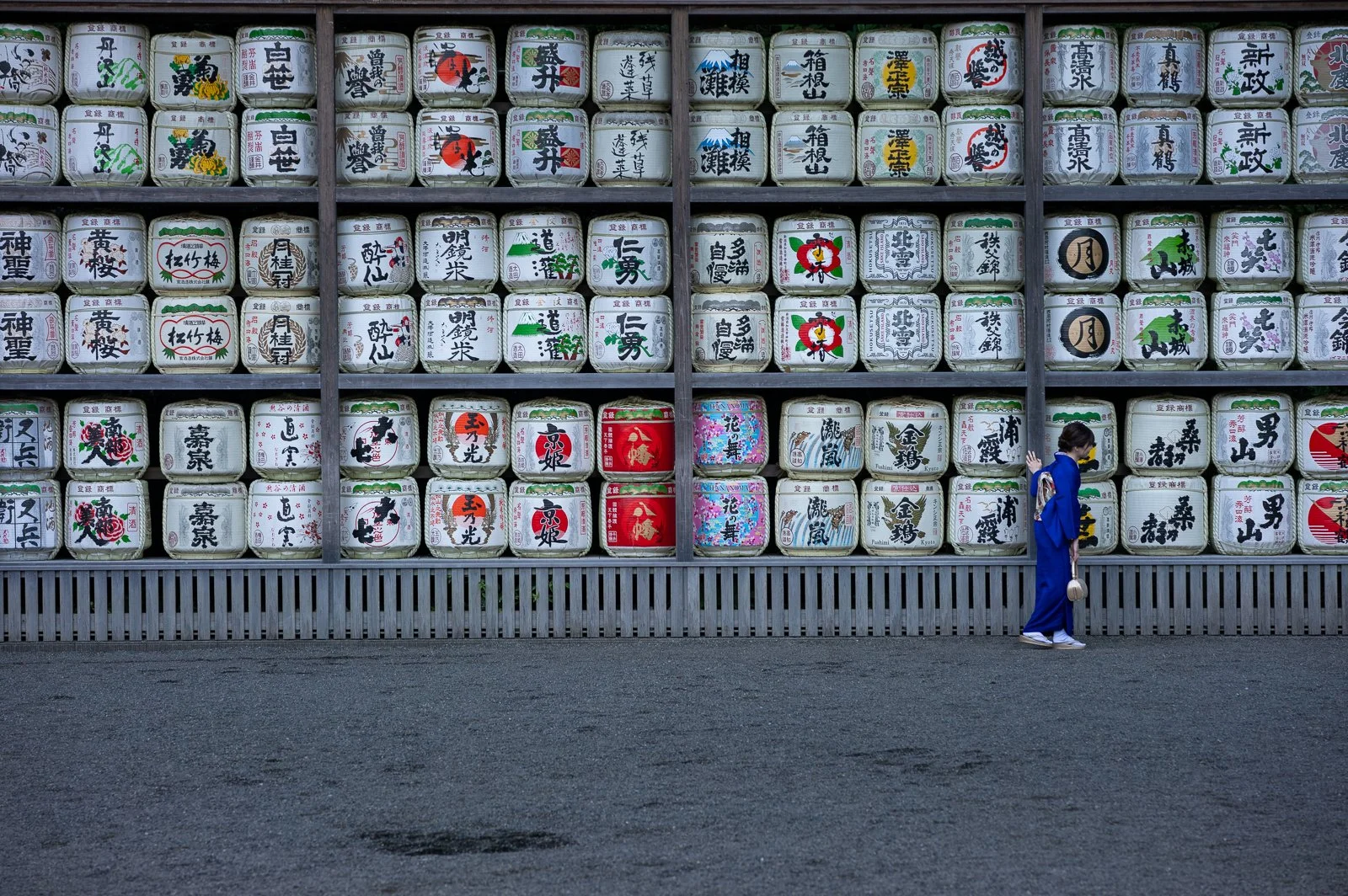
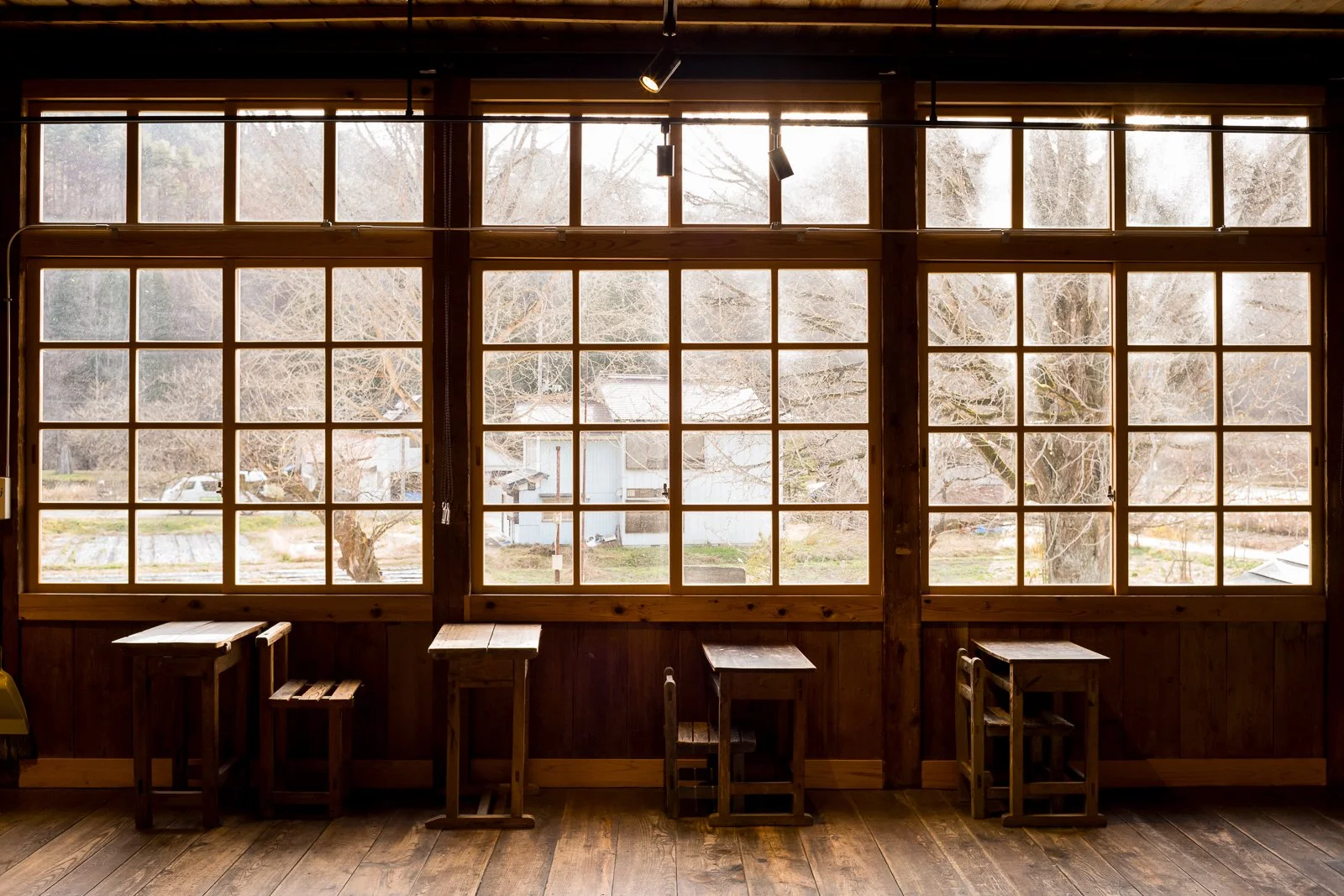
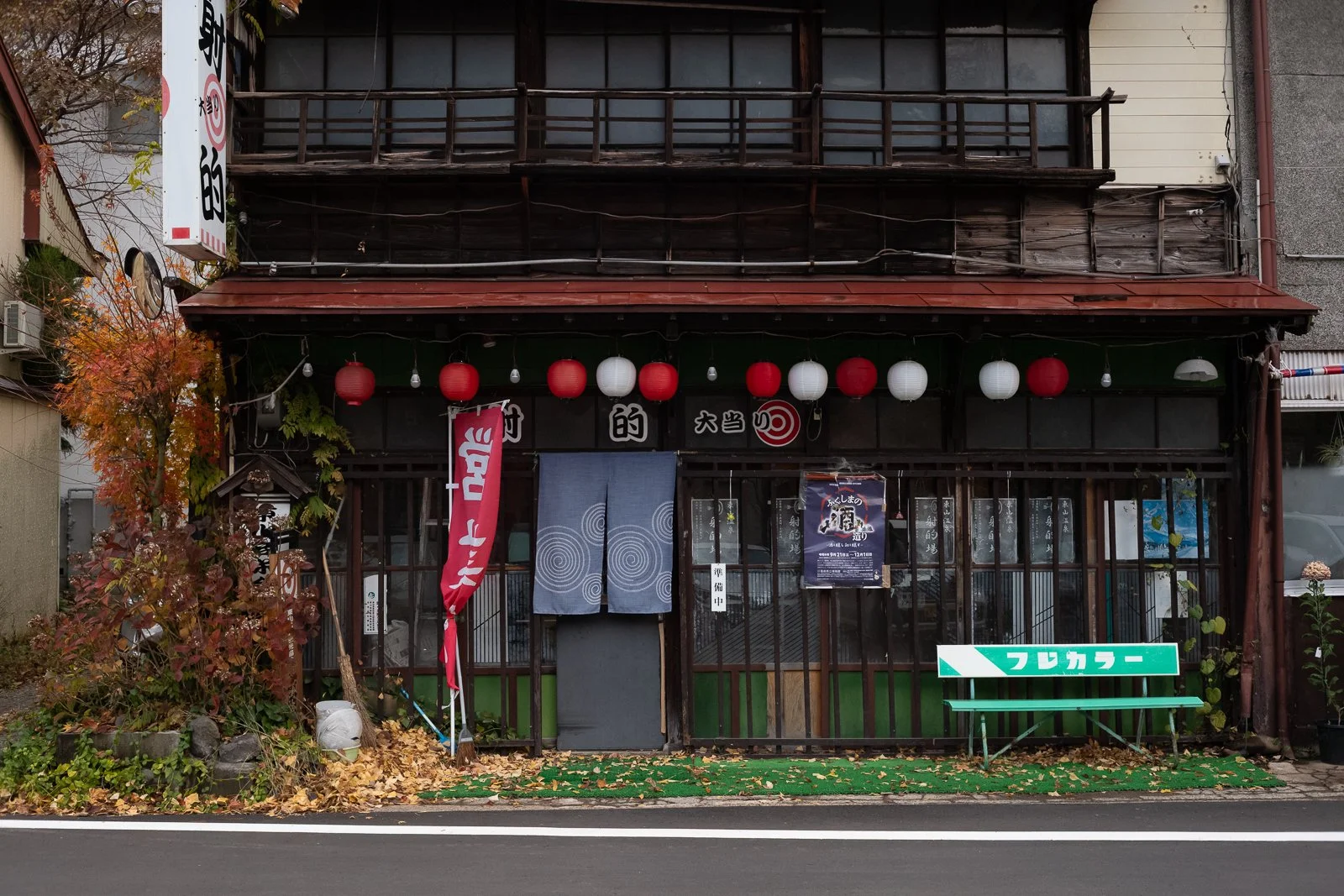
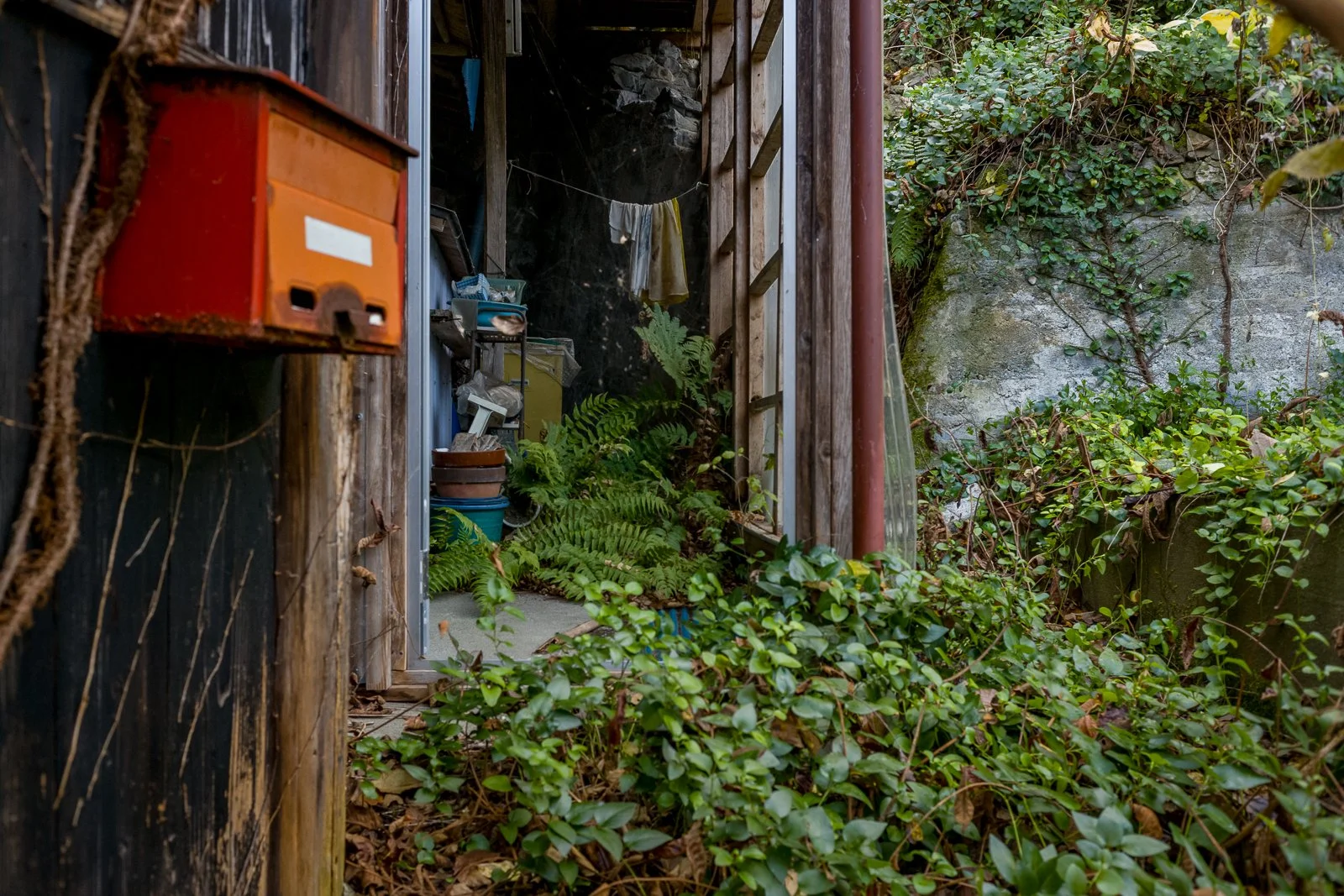
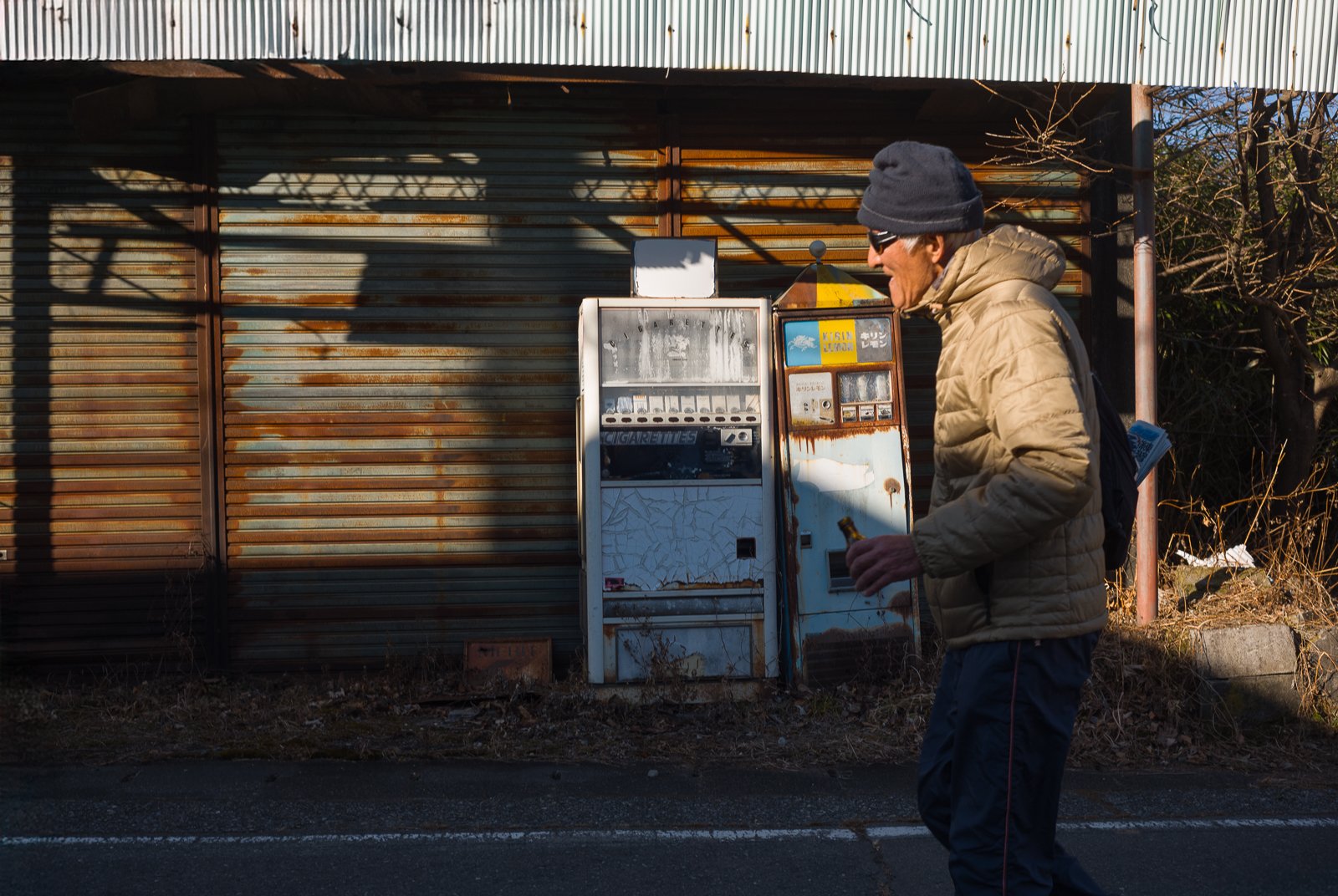
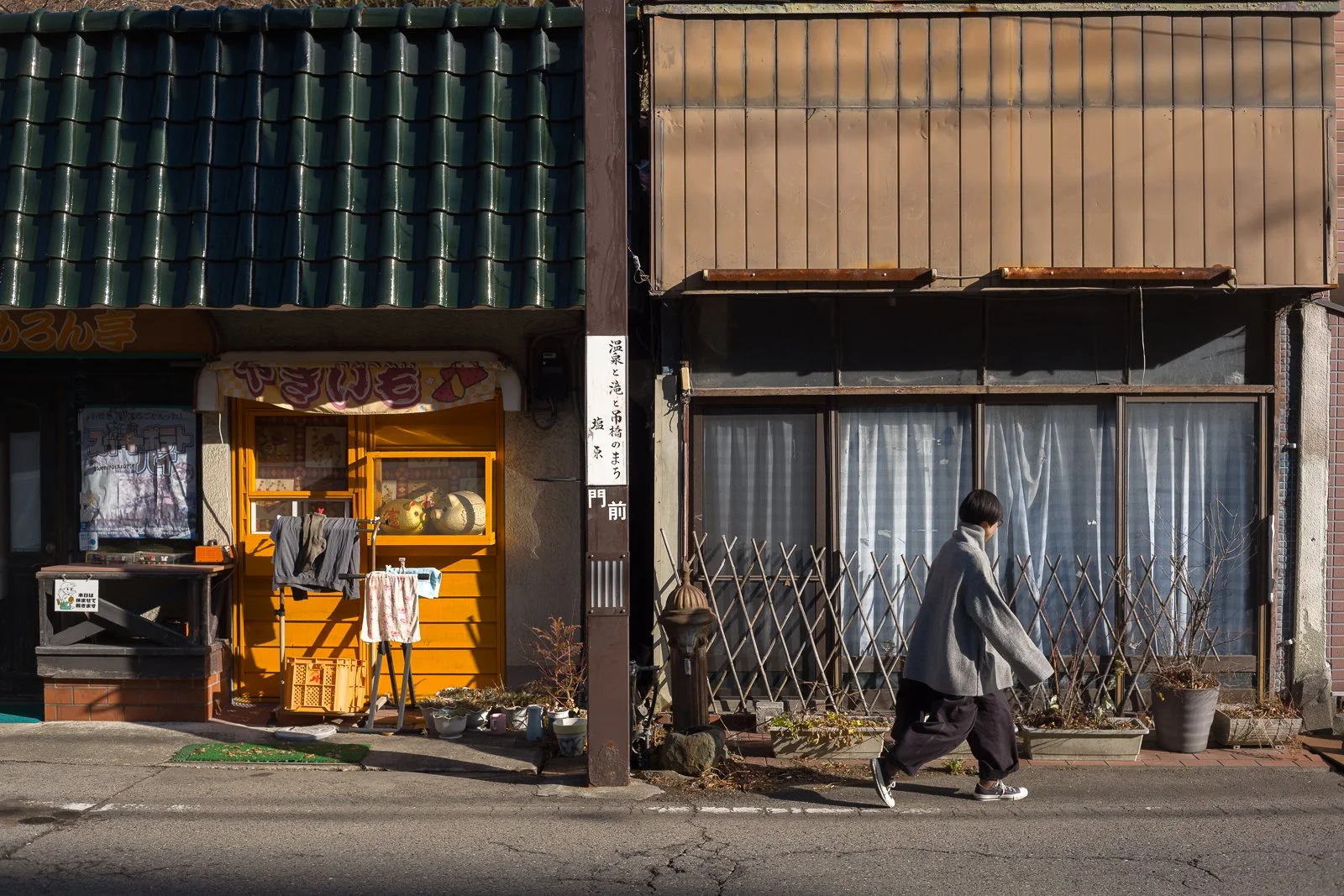
For street photography, both Giovanni and Lee shoot with a 35mm lens, which is the focal length we recommend. Any kind of lens is welcome — we’ll help you work around any limitations. A 28mm or 50mm is also perfectly acceptable if that’s your preference, but we strongly suggest traveling light and committing to just one focal length. We’ll be walking a lot and the goal is to see the world through a single lens.
If you do not have prime lenses, there is no need to buy new gear. Just choose the focal length you want to use on your zoom lens, and stick with it as much as possible during the workshop.
Down here some picture Lee and Giovanni took with a 35 mm
Camera Requirements – Landscape Photography
There is no demanding trekking involved in the landscape portions of the workshop. We will mostly move by car and through regular walking routes, so you do not need to be afraid of bringing a slightly more complete setup for the landscape days.
Zoom lens setup
Recommended: 14–24mm for wide shots and 24–70mm for mid-range.
Optional: 70–200mm for more reach, if you don’t mind carrying extra weight.
Prime lens setup
14mm: great for wide compositions and skies.
35mm: excellent for mountain landscapes and closer subjects.
105mm: for isolating details and creating more abstract frames.
Tripod & Filters
A tripod is essential for low-light situations. It is the most reliable way to ensure sharp images when the light is low, especially during dawn, dusk, evening shooting, or any slower-paced landscape work.
Filters are not mandatory, but they can be a great creative tool. We recommend bringing: — a circular polarizer — an ND filter — a stronger ND option if you enjoy longer exposures
These can be especially useful around water, changing weather, reflections, and autumn landscape conditions.
Cold Weather Tips
Don’t forget to pack extra batteries — cool weather drains them quickly.
Examples of different focal lengths and their results
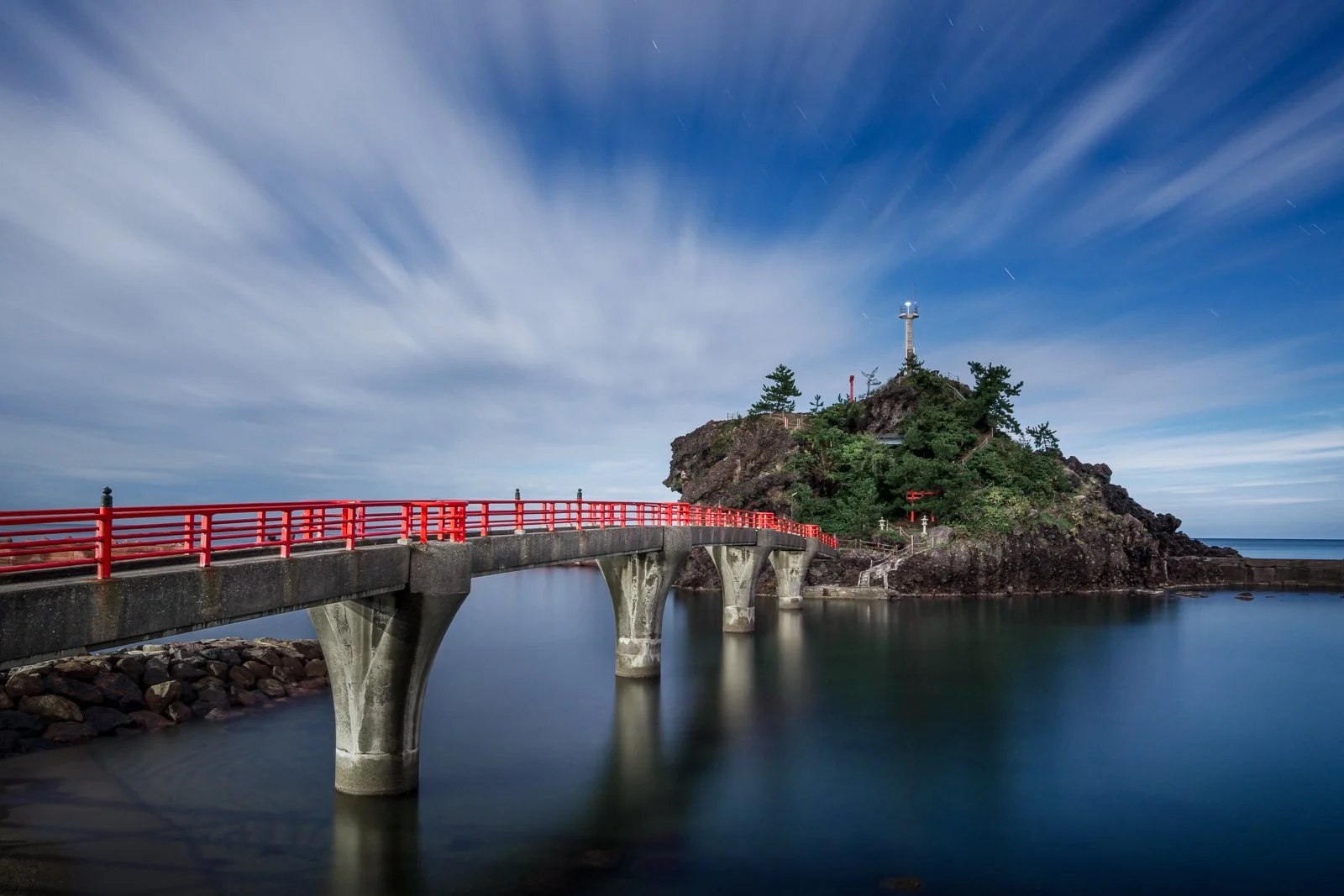
14mm + ND filter
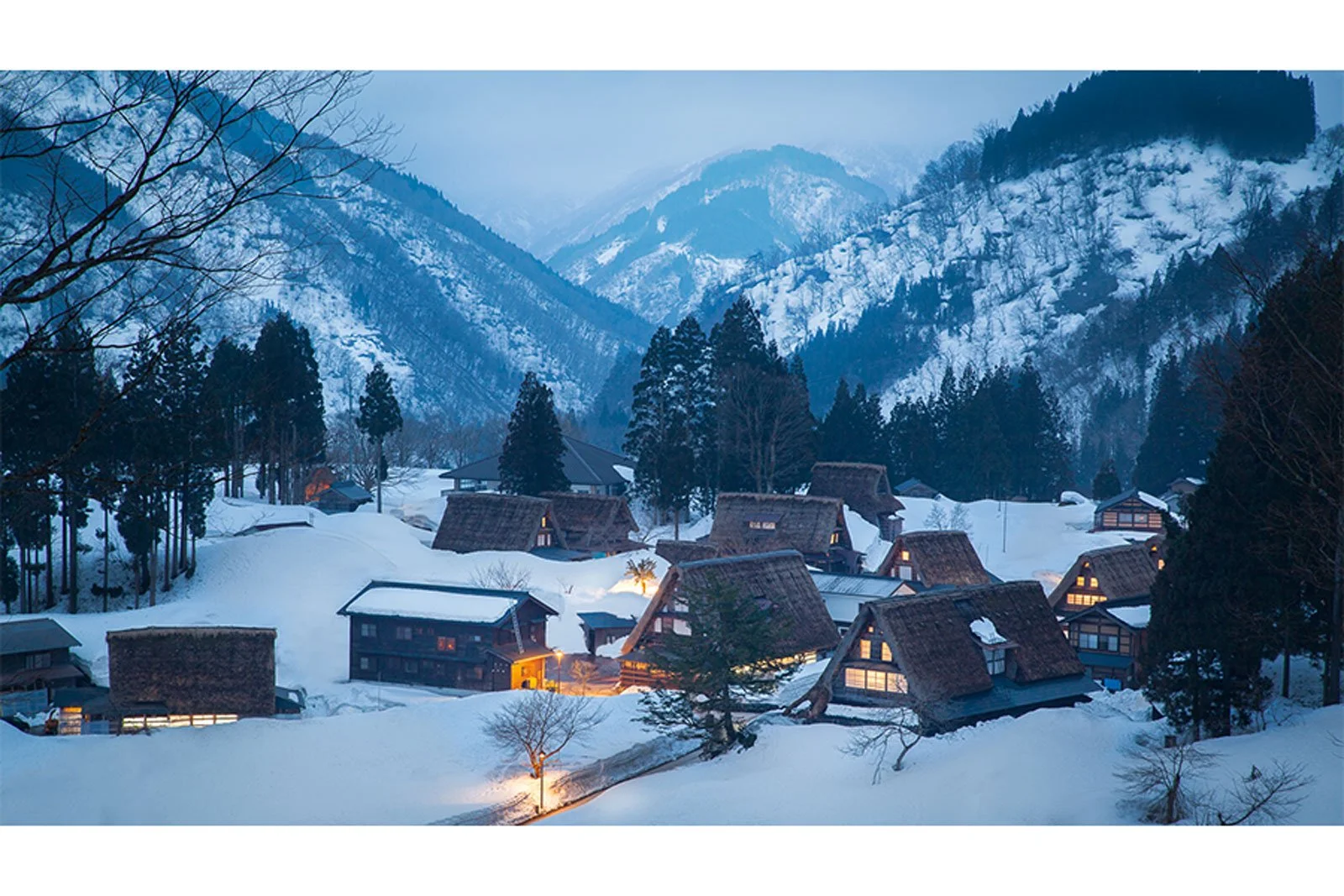
35mm

50mm
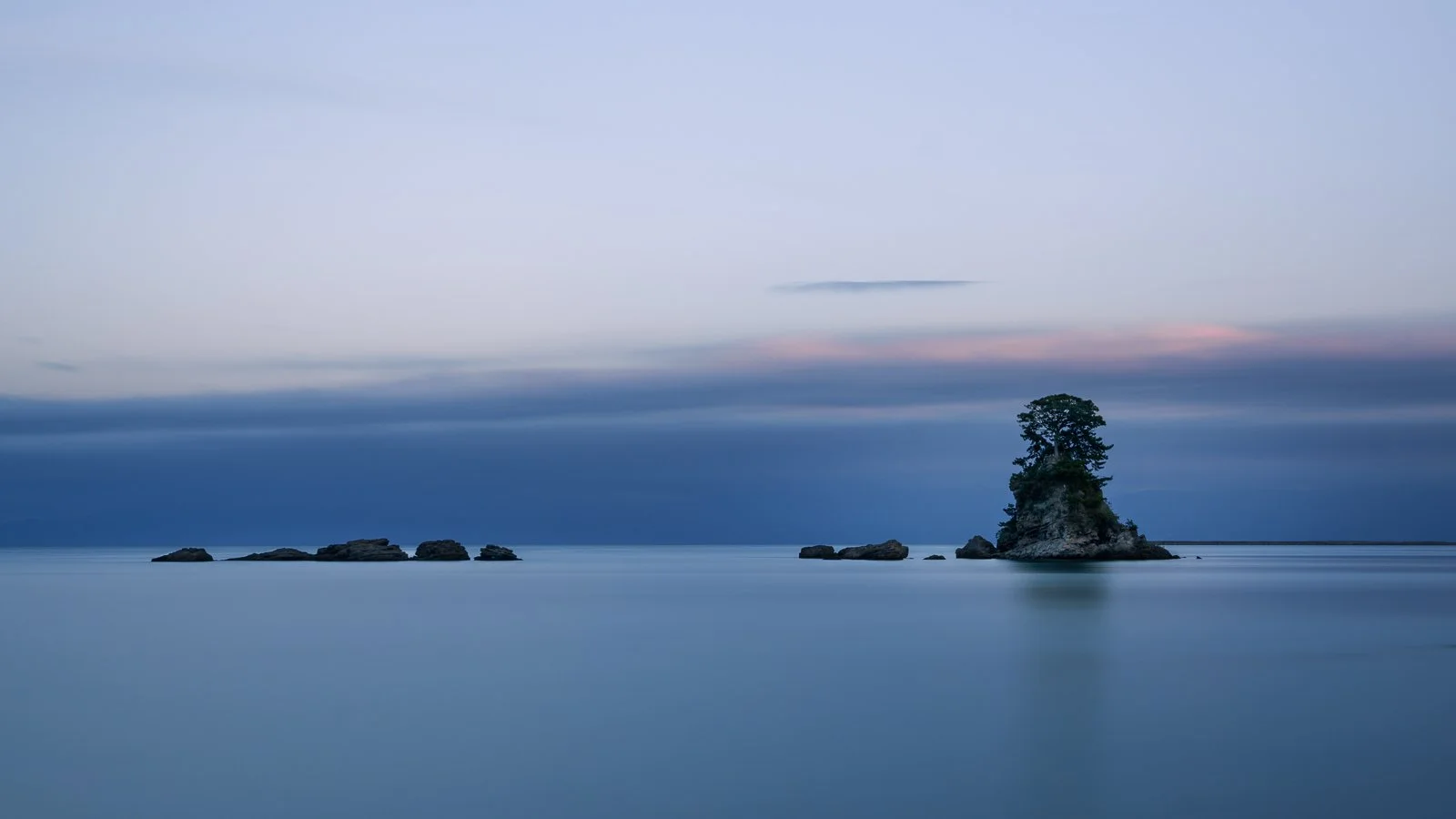
70mm
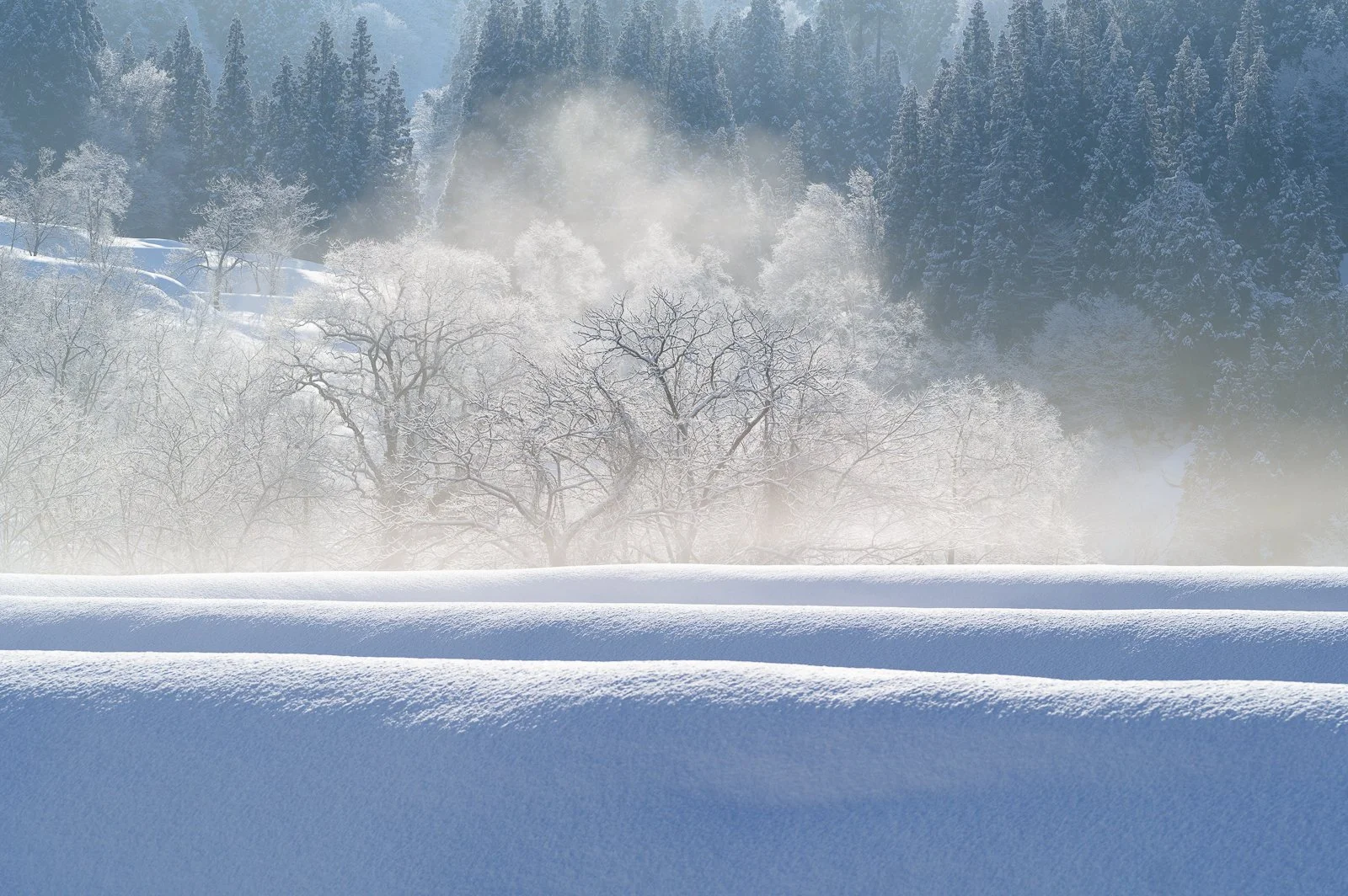
130mm
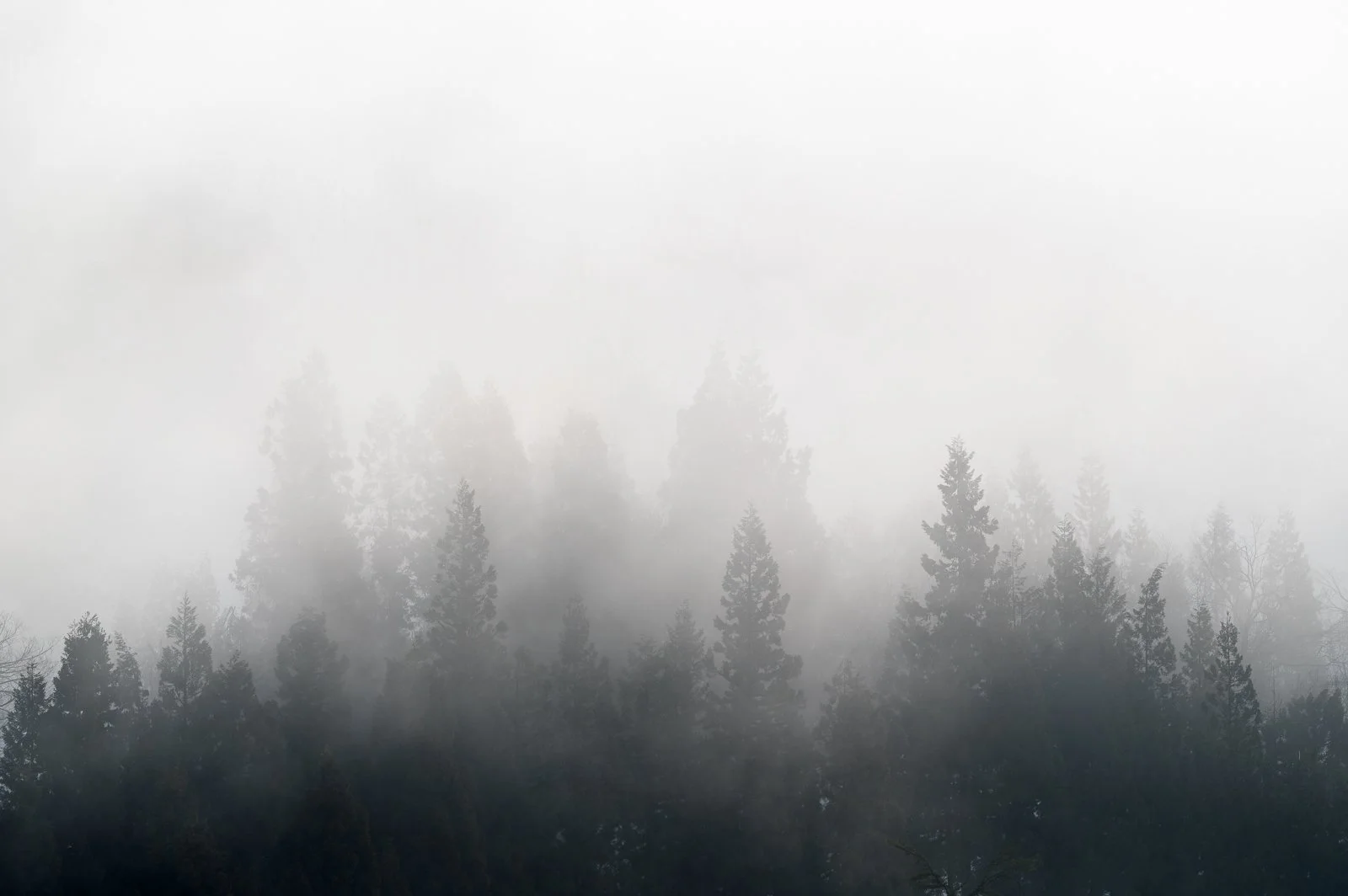
200mm
Clothing & Footwear Recommendations
Street Photography
For our street sessions in Tokyo, Kamakura and in the hot spring villages :
Wear urban-style clothing — something comfortable and discreet.
Use comfortable walking shoes. We'll be spending long hours on foot.
Be prepared for possible rain. A light waterproof jacket or compact umbrella is a good idea.
Temperatures
In early November, Aizu-Wakamatsu can feel cool to cold, especially in the early morning and evening.
Typical temperatures are around 10–16°C during the day and 2–7°C in the morning or at night. Rain is possible, and some days can feel damp or windy, especially in exposed landscape locations.
What to Wear for the Landscape Days
For the autumn landscape portions of the workshop:
- Bring adjustable layers.
- Bring a warm base layer and a mid-layer (fleece or light insulation).
- Bring a waterproof and wind-resistant outer layer.
- Wear water-resistant shoes or boots with good grip.
- Optional: a beanie, light gloves, and warm socks (extras if rain is likely).
Bring extra batteries because cool weather can still drain them faster than usual.
NOTE: If you do not already own specialist gear, do not buy new equipment just for this workshop. We can help you work well with what you have.
Useful extras
- Battery charger
- Extra memory cards
- Card reader
- External hard drive or SSD for backups
- Rain protection for your camera or bag
- Lens cloth
- Power bank
- Travel adapter if needed
Final note
Please do not overpack, but do not come underprepared either.
For this workshop, the ideal approach is:
— a simple and reliable street setup
— a solid landscape setup
— a tripod
— enough battery and storage for full shooting days
The goal is to move well, stay flexible, and be ready for both everyday moments and autumn landscape opportunities.